
The effectiveness of a non-profit organisation hinges on robust governance. If it was ever just seen as a compliance obligation, that is no longer the case. With the non-profit sector contributing on average around 5% of a European country's GDP, you need a sophisticated approach to leadership and oversight.
Today’s non-profit boards must become strategic stewards, actively steering their organisations toward greater impact, resilience and sustainability. This requires a re-evaluation of traditional board functions, embracing new strategies for composition, engagement, decision-making and risk management to ensure non-profits thrive in an ever-changing world.
This article explores the best practices non-profit boards should put in place.

5 Non-profit board governance best practices
Strategic stewardship
The evolution of the non-profit board governance model means a shift from merely fulfilling legal fiduciary duties to embracing a role of active strategic stewardship. This includes ensuring you meet these duties:
| Duty | What it means |
| Duty of care | Actively participating in meetings, asking informed questions and making decisions based on available evidence and sound judgment. |
| Duty of loyalty | Acting in the best interests of the non-profit, free from conflicts of interest. Prioritising the organisation’s mission and welfare above personal gain or the interests of any other entity. |
| Duty of obedience | Acting in accordance with the organisation’s byelaws, governing documents and applicable laws. Upholding the mission and ensuring organisational activities align with the organisation's stated purpose. |
Board members must undertake active oversight for robust governance, rather than simply waving through motions because they conform with what the organisation has previously done. Here is the difference:
- Passive approval: Reviewing a budget in a meeting and voting yes with the majority without taking time to understand the underlying assumptions or asking clarifying questions about significant variances from previous years.
- Active Oversight: Requesting a detailed breakdown of budget line items, understanding the strategic initiatives tied to those expenditures and inquiring about key performance indicators (KPIs) that will measure the success of those investments.
Action points
- Conduct a board self-assessment focusing on understanding and applying the three fiduciary duties to gauge board effectiveness.
- Develop clear conflict-of-interest policies and ensure all board members receive training on them annually.
- Encourage the board of directors to engage with staff and programmes to gain firsthand insights into the organisation’s operations and impact.
Build a board that matches your mission’s needs
An effective board is a collection of diverse skills, experiences and perspectives, all united by a commitment to the organisation's mission. Building such a board requires a strategic approach to recruitment and retention that prioritises impact over mere prestige.
The most valuable board members are those who bring relevant expertise (financial management, marketing, legal, programme-specific knowledge) and a genuine passion for the mission. Focus on identifying potential members in the board structure who possess the skills needed to address current organisational challenges and future opportunities.
Action points
- Develop a board skills matrix to identify gaps and guide recruitment efforts.
- Establish a Diversity, Equity, and Inclusion (DEI) committee or integrate DEI goals into existing committee work.
- Review and update term limit policies and create a clear succession plan for officer roles.

Make onboarding strategic
A robust onboarding process and ongoing engagement strategies are vital for transforming new board members into effective contributors and for sustaining the motivation of seasoned ones. This approach combats burnout and builds a deeper connection to the mission.
Think about how you run inductions. A comprehensive onboarding process should extend beyond a single orientation meeting. A 90-day immersion journey can provide new board members with a thorough understanding of the organisation’s history, mission, strategic plan, financials and programmes, for example.
For current board members, make sure you clearly define expectations and provide the resources they need. Recognise their input and ask them to provide suggestions to ensure they remain connected and invested in the governance process.
Action points
- Develop a structured onboarding programme for all new board members, assigning them a mentor to guide them through the process.
- Implement regular check-ins with board members to gauge engagement and identify potential burnout.
- Create opportunities for the board of directors to connect with the impact of their work, such as "mission moments" during meetings.
Run more efficient meetings
Inefficient meetings can consume valuable time and energy, detracting from your strategic priorities. By structuring meetings intentionally, you can ensure they serve as catalysts for effective decision-making.
Think about what you want to achieve from the meeting and work backwards to create a structure that will lead to this goal. Prioritise high-value items and ensure you have time to dive deep into the underlying issues so that you pave the way for the best-informed decision-making.
Keep all board papers in a meeting portal, allowing board members to collaborate before, during and after meetings.
Action points
- Implement an "inform, discuss, decide" framework for all meeting agendas.
- Introduce consent agendas for routine matters to free up time for strategic discussions.
- Implement a smart board portal to manage documents, allow for collaboration and streamline agenda building, minute writing and other such processes.
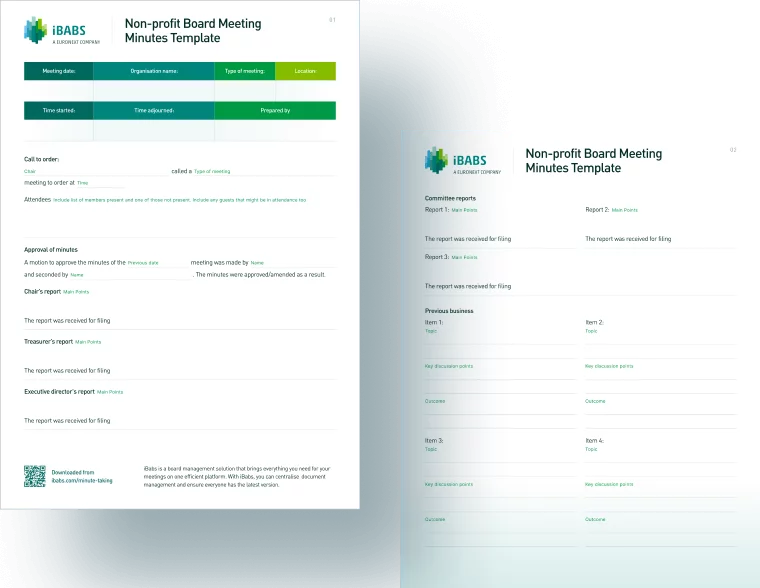
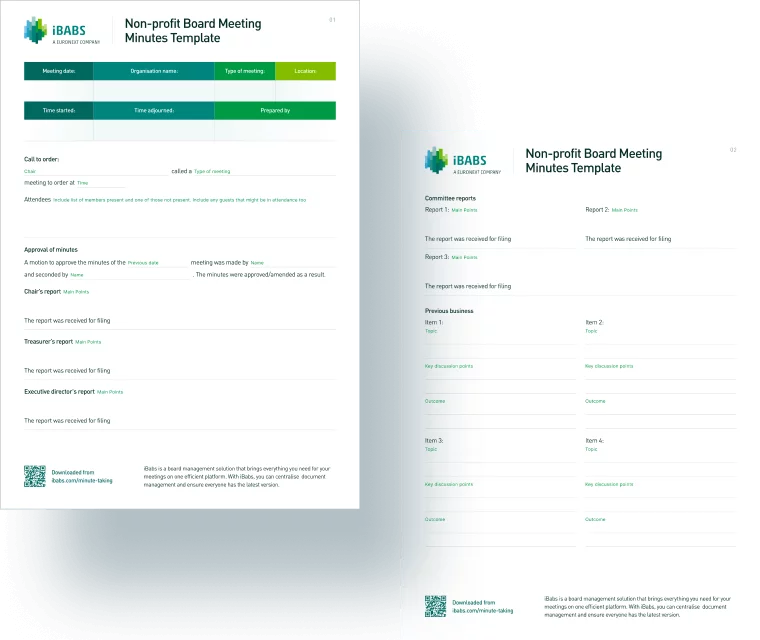
Meeting agenda, annual plan, board resolution and more templates to use in your meetings
Focus on risk management
Proactive risk management is fundamental to safeguarding your organisation's reputation, financial stability and its ability to achieve its mission.
Moving beyond annual reviews to live risk visibility ensures that you can identify and address potential threats in real-time. This could involve integrating risk discussions into regular committee meetings or using dashboards to track key risk indicators.
You should also pay close attention to cyber resilience. The board must understand and oversee your cybersecurity posture, ensuring there are adequate policies, training and technical safeguards in place.
Action points
- Develop a system for continuous risk monitoring and reporting.
- Mandate regular, proactive disclosure of conflicts of interest for all board members and key staff.
- Ensure the board receives regular updates on cybersecurity risks and mitigation strategies.
How to get buy-in to implement these best practices
- Clearly explain the benefits of the proposed changes, framing them not as critiques of current practices, but as strategic opportunities to enhance mission impact and organisational resilience.
- Task a dedicated board committee member with researching and championing the new practices. This allows for focused discussion before presenting to the full board.
- Involve the board of directors in the development process. Solicit their feedback on potential challenges and solutions, making them partners in the change.
- Introduce changes incrementally rather than overwhelming the board with too many new requirements at once.
- Ensure board members have access to necessary training, tools and resources to effectively adopt new practices.
- Establish a mechanism for reviewing the effectiveness of implemented practices and be prepared to adapt them as needed.
FAQ
What is the ideal board size for impact, not just efficiency?
There is no single ideal number, as it depends on the organisation’s size, complexity, mission and board governance model. However, most experts suggest board size ranges between seven and 15 members.
How can boards prevent burnout without lowering expectations?
Clearly define roles and responsibilities so members know what is expected. Secondly, ensure efficient meeting structures that respect their time. Thirdly, utilise their skills and interests appropriately, assigning them to committees or tasks where they can contribute most effectively and find fulfilment.
What are “mission moments” and how do they improve decisions?
"Mission moments" are powerful, short narratives or experiences that vividly illustrate the impact of an organisation's work. These can be stories from beneficiaries, testimonials from staff, representatives of the board of directors or volunteers, or even direct observations of programme delivery.

When should a non-profit rethink its governance model?
A non-profit should consider rethinking its governance practices when it experiences significant organisational changes, such as rapid growth, merger or acquisition, a shift in strategic direction or when facing persistent challenges. Other triggers include declining donor engagement, staff turnover, or a pattern of ineffective decision-making.
Conclusion
By embracing these non-profit governance best practices, your organisation can move beyond just legal compliance to achieve positive change and growth. Investing in these elements empowers your board to lead with clarity, purpose and strategic foresight.
For organisations seeking to formalise and enhance their governance processes, iBabs' board portal can provide the necessary structure and efficiency you need. It improves collaboration and board engagement, streamlines processes before, during and after the board meeting and keeps your important documents secure and accessible.

