
Sustainable governance is essential for any organisation, especially for non-profits that are subject to stringent scrutiny over efficiency and effectiveness and perform services that are essential to the wellbeing of their beneficiaries. Without a robust non-profit succession planning strategy, you risk avoidable interruptions that can be detrimental to service users and make it harder to meet your responsibilities to service users.
Smooth leadership transitions that maintain high standards of output without disruption are key to the operations of community organisations, yet BoardSource research found that only 29% of boards had a written plan or policy to guide a CEO or executive-director transition. Leadership departures can also arrive with little notice, creating uncertainty for staff, volunteers and beneficiaries. A documented plan helps the organisation prepare before a transition becomes urgent.
This article discusses both a short-term and a long-term succession planning process for non-profit organisations, how to build a substantial succession plan and how to overcome the hurdles you might encounter.
Key takeaways
- A strategic plan for succession is mission-critical for non-profits for leadership continuity. Service disruption can harm beneficiaries and put the organisation’s mission at risk.
- Prepare before a transition becomes urgent. A written plan for executive and board succession helps protect continuity when leaders leave, whether the departure is planned or unexpected.
- Plan on two tracks. Short-term planning covers sudden absences; long-term builds a leadership pipeline over the coming years.
- Create a dedicated committee, build a skills and composition matrix, then set timelines, milestones and clear accountability for leadership and management.
- Define role profiles for critical positions in leadership succession planning, develop internal candidates, source externally where needed and assess both hard and soft skills for cultural fit.
- Run structured handovers and onboarding of future leaders, document these processes in a shared system.
Short-term vs long-term succession planning for non-profits
| Aspect | Short-term succession planning | Long-term succession planning |
|---|---|---|
| Aim | Maintain continuity during a sudden absence or near-term exit. | Build a pipeline of future leaders aligned to mission and strategy. |
| When to focus on? | When a board member or trustee gives notice, goes on prolonged leave, there is a health or performance concern, in a crisis or during a restructure. | When retirements are due in the coming years, your strategy is shifting, board evaluations show capability gaps or growth of the organisation might increase leadership risk. |
| Time horizon | Days to 12 months. | Over a year and up to three to five years for CEO and other critical roles. |
| Key activities | Name a deputy, appoint an interim leader, document the essentials of the role and set a 90-day stabilisation plan. | Workforce planning, create role profiles for the future, invest in development and mentoring and build a recruitment roadmap. |
| Success measures | Uninterrupted services and timely coverage. | Ready-now and ready-soon candidates and smooth planned transitions. |
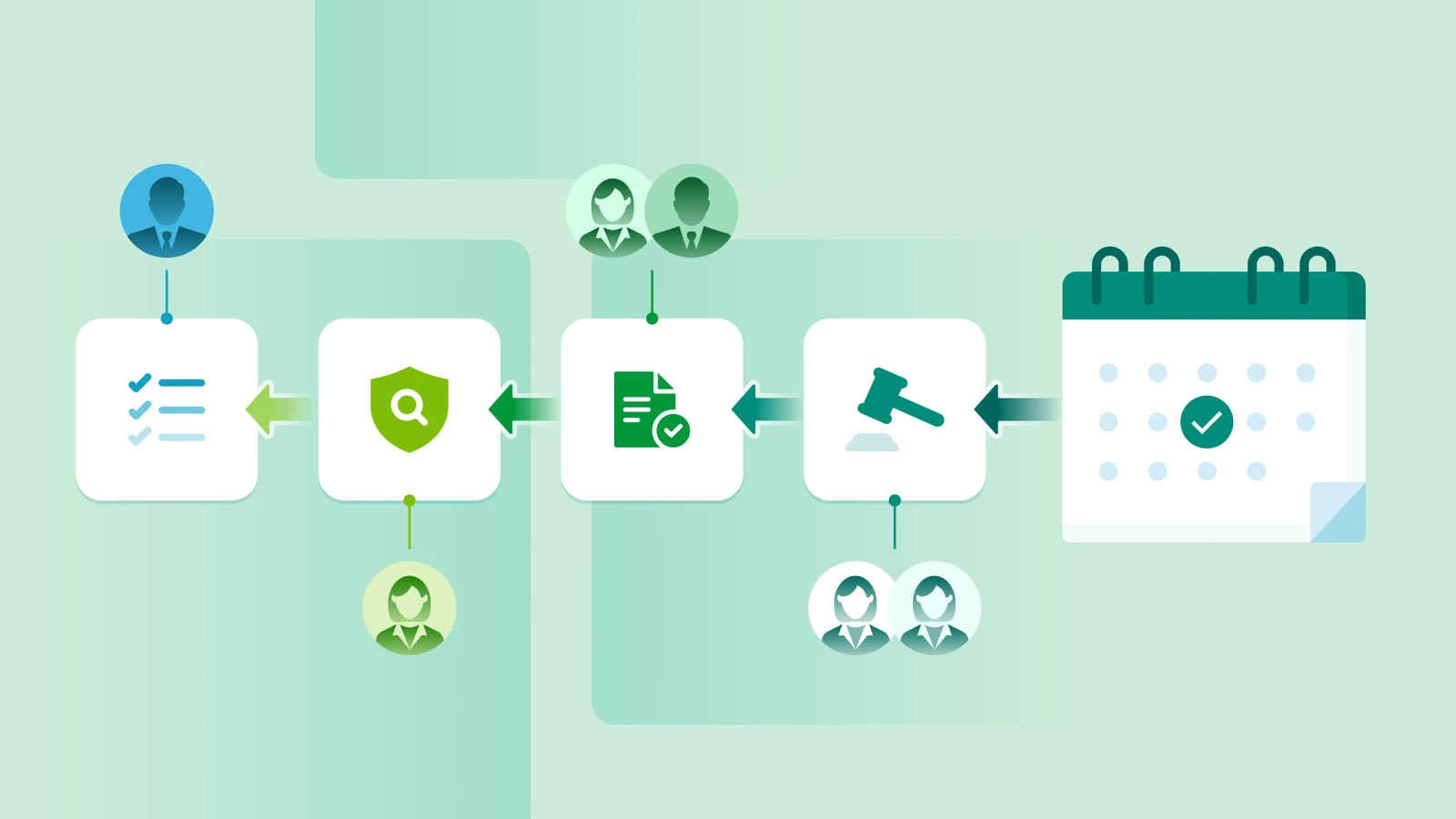
How to build an effective succession plan for a non-profit
Set up a succession planning committee
Some non-profits have a nomination or nominating and governance committee that is tasked with succession planning amongst its other duties. If you do not, then establish a committee to take ownership of the succession process. This ensures there is a laser focus on the process and greater accountability on those responsible for creating your plan.
Having this single touchpoint for all matters related to the succession plan allows members to dedicate more time to considering all of the elements that create a comprehensive programme for frictionless transition.
The committee should develop a skills and composition matrix to understand the current make-up of the board, identifying where skill gaps are. It should also discuss the challenges, both current and those on the horizon, considering which competencies the board will require to meet them.
Develop timelines and accountability structures
Once the succession planning committee understands the current situation and what might and should change in the future, it can start to work on the specifics of the plan. This involves a two-pronged approach:
- Develop a short-term crisis plan for unexpected succession requirements, in the case of resignations, removals and other emergency actions. This could include identifying de facto directors who could join the board on a temporary basis to fill the gap, if needed.
- Creating a long-term calendar that displays which board members are reaching the end of their tenure and when, as well as those who are looking to retire in the future and their expected timeline. This helps you understand which skills you will need to replace or add, and by when.
When you understand the deadlines that you have, you can assign action items, including creating role profiles, running assessments and identifying suitable candidates, to committee members so that the process is transparent and measurable. Creating an open process is essential for reassuring donors and patrons that you are prepared for leadership change and can ensure continuity during the transition.
Automate accountability with iBabs iBabs is a complete board management solution for non-profits that enables you to stay on top of your action items, alert stakeholders to their deadlines and access a clear progress dashboard so you never lose track of who is doing what. Learn more

Define clear role profiles for each critical position
Before you can find your ideal candidates for the key roles on your non-profit board, you need to create a clear illustration of the skills and competencies needed in those roles. This will often include the attributes already present within your current leadership team, as well as additional and diverse skills that you want to add to the mix.
It is essential that all prospective board members align with the mission of the organisation and are a good fit for your culture, too. With a non-profit, succession planning is not only about finding someone with the necessary abilities, but also someone who will help drive the core messaging of your organisation in all activities they undertake.
Although each non-profit’s structure is different, some of the key leadership positions to consider when creating critical role profiles include:
- Chair
- Executive director
- Treasurer
- Director of programmes
- Director of fundraising
- Safeguarding lead
- Board members in general.
Within the profile, decide how the role should develop in the future to meet the long-term needs of the organisation, as well as those of its donors, volunteers and service users, ensuring that you meet any gaps across the roles for which you are planning. Think about what constitutes a successful succession or executive transition and formalise this in your succession committee’s approach.
Find and assess potential successors
There are a number of routes to find suitable candidates for your organisation’s leadership team. They include:
- Promoting capable internal candidates amongst your volunteers or staff members
- Asking current leadership figures for recommendations from their networks
- Advertising for candidates to fill roles on the board
- Using a headhunting or executive search service, depending on the availability of funds.
Nurture each of these executive transition pipelines to provide the widest possible pool of talent. Train and mentor internal candidates whilst inviting potential external leaders to learn more about the organisation and its mission.
When you have a cohort of prospective leaders, have current board members interview them and assess both their hard skills, such as digital expertise and fundraising abilities, and soft skills, like the ability to listen and empathy.
Armed with the role profiles you created, your leaders will be able to understand which candidates will be the best fit for the different roles.
Run a structured handover process for incoming leaders
When you have your successors, you can put in place an onboarding process that will prepare them for the handover when it happens:
- Have the outgoing members spend time with their successors to get up to speed with the role
- Allow them to sit in on board meetings to get used to the way that your decision-making process works
- Provide access to your board meeting portal to allow them to read previous meeting minutes, agendas, resolutions and other documents that will give them insight on how governance works in the organisation
- Assign another board member to be a buddy or mentor in board meetings and to offer feedback and a debrief afterwards.
Assess and evaluate the performance of new board members over time to understand how successful your transition has been. Use this information to refine and improve your succession planning.

Best practices for successful succession planning for non-profits
- Update the organisation’s byelaws and policies to support your succession plan, ensuring the board is authorised to appoint interim board members and delegate responsibility for succession. Make sure you are aligned with the local law and the guidance of your country’s charity regulator, if applicable.
- Set out emergency handover procedures for unexpected departures in a step-by-step playbook. Approve interim directors who can step in for short periods of time and maintain order, then create a stabilisation plan with 30-, 60- and 90-day milestones to achieve.
- Implement ongoing training for identified successors to develop them in a manner that fits with the culture and mission of your non-profit organisation. Include mentoring and assignments in the process and continually assess the readiness of the candidates.
- Design planned executive transition processes for retirements and known changes by working back from the date the member will exit and setting in place a timeline to find, train and onboard their replacement.
- Document key processes, contacts and decisions in a shared system so that it can be accessed easily by relevant parties. Store this succession plan outline in your board portal and update the documents as necessary.
- Develop a clear internal communication plan for staff and volunteers so that you can introduce new leaders in good time, allowing all parties to get used to each other before the official transition.
Key succession planning process hurdles and practical solutions
| Hurdle | Solution |
|---|---|
| Resistance from long-term leaders or founders | Secure board backing for a phased handover with an advisory role for the founder, a clear timeline and incentives tied to mentoring successors. |
| Limited resources for leadership development | Use low-cost development like stretch assignments, mentoring and peer shadowing, ring-fence a small budget and apply for capacity-building grants. |
| Unclear roles and communication breakdowns | Publish a simple responsibility assignment matrix (RACI) and a monthly succession update, use a shared tracker and agree who communicates what and when. |
| Lessons learned from real failed successions | Run a short, blameless post-mortem on sector failures and turn the insights into a one-page checklist with triggers, then implement it into policy and the board calendar. |
FAQ
How does succession planning differ between for-profit and non-profit organisations?
In for-profits, the succession planning process centres on continuity and value creation for shareholders, whereas in non-profits it must protect mission delivery, stakeholder trust and funding relationships during leadership transition while navigating charity governance and volunteer dynamics.
What role does the board play in non-profit succession planning?
The board of directors sets policy, appoints and appraises the chief executive, oversees emergency and planned transitions and ensures there is a resourced pipeline with clear timelines and accountability.
What’s the difference between interim and permanent succession?
An interim succession plan provides a short-term cover to stabilise operations while a search is conducted, whereas a permanent succession plan installs a long-term executive director or other important roleholder through a formal selection and handover process.
Conclusion
Non-profit succession planning is the key to delivering for your service users and beneficiaries in a consistent manner. You eliminate downtime following the departure of a leadership figure and their replacement getting up to speed and ensure you meet your governance obligations.
Ensure your new leaders can access important meeting materials and company documents as part of your succession plan, as well as being able to collaborate with their new colleagues by using iBabs to run your meeting management. This secure board portal allows access to important information in the cloud, so new and current leaders alike can share ideas and thoughts on the go. Request a demo of iBabs today.

